There are many who like to complain. We saw that plainly when the
Israelites were rescued from Egypt and were heading for the Promised
Land. Our Heavenly Father saved them from the Egyptians, and immediately
they began their non-stop complaining. They were living on miracles and
they didn't even realize it! There were no sicknesses. God miraculously
fed them and provided them with water (See
Exodus 17:6). Their clothes
didn't even wear out: "Your clothes didn't wear out and your feet didn't
blister those forty years." (Deuteronomy 8:4 MSG). Where were their
thank you notes to God?
The Israelites missed the opportunity to
experience our Heavenly Father fully: "We received the same promises as
those people in the wilderness, but the promises didn't do them a bit of
good because they didn't receive the promises with faith." (Hebrews 4:2 MSG). How sad!
Complaining leads only to dissatisfaction. And
for what? To make ourselves, and others, miserable?
There are
some who are continually thankful to our Heavenly Father. They are the
ones who are joyful. They are the ones who have no worries. They leave
everything in the hands of our Father. After all, we are encouraged to
"Let the Word of Christ-the Message-have the run of the house. Give it
plenty of room in your lives. Instruct and direct one another using good
common sense. And sing, sing your hearts out to God! Let every detail in
your lives-words, actions, whatever-be done in the name of the Master,
Jesus, thanking God the Father every step of the way."" Colossians
3:16-17 MSG). The more joyful we are, the more we are in sync with our
Heavenly Father.
The Russian prisoners-of-war on the island of
Jersey during WWII were destined to be slave workers. None of them were
called by their names. Instead, they were each given a number that they
were called by, and they were given almost nothing to eat. After 9
months, most of these soldiers were no longer fit for labor. This meant
they were no longer useful, and anyone no longer useful to the Nazis
were sent to the gas chambers. Not all the prisoners were Russian,
either. One, merely a boy from France, kept crying: "Maman! Maman!" Why
was he even there with the Russians?
These prisoners-of-war did
anything they could to find food. In fact, their desire for food was
much stronger than their fear of death, and this pushed them to do
things, such as steal potatoes out of the fields, that would result in
them being shot on the spot if ever they were caught.
People will
complain about anything, and most of the Jersey locals ignored what was
happening in the concentration camps. They preferred instead to complain
about the poor food rations or occupations left for them. They even
complained that the Allies were doing nothing to liberate them.
Mrs. Louisa Gould was different. She could not stand how these slave
workers were being treated. In 1943, she hid one of these Russians in
her home, and this act brought her abundant joy. Because she was not one
to complain, she made a deep impression to that soldier. Unfortunately
for her, she was betrayed by a neighbor and was arrested. She was
eventually transported to Ravensbruck and on February 13, 1945, she was
killed in a gas chamber. Nevertheless, she never regretted doing this
act of mercy.
Isn't being joyful way more attractive than
complaining? What do you think?
Rob Chaffart
Complaining or Being Joyful. Radical Grace from the Book of Romans (9:20-21)
Today's Bible Verse:
"Who in the world do you think you are to second-guess God? Do you
for one moment suppose any of us knows enough to call God into question?
Clay doesn't talk back to the fingers that mold it, saying, "Why did you
shape me like this?" Isn't it obvious that a potter has a perfect right
to shape one lump of clay into a vase for holding flowers and another
into a pot for cooking beans?" (Romans 9:20-21 MSG)
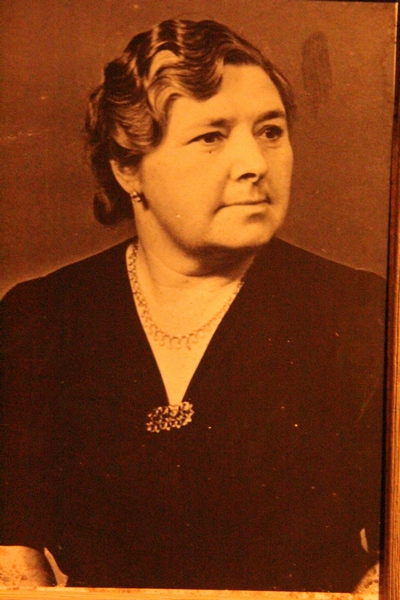
Complaining or Being Joyful. Radical Grace from the Book of Romans
(9:20-21)
Announcement:
Would you like to be blessed by reading testimonies of people who've experienced answered prayers? Go to the Sermon Illustrator and enjoy! You will discover how awesome our God is!


- This mailing list is a public mailing list - anyone may join or leave, at any time.
-
This mailing list is announce-only.
This newsletter is dedicated to bringing people closer to the Lord through thought-provoking inspirational stories. It is published every Monday, Wednesday, Friday and Sunday.
Privacy Policy:
Our Privacy policy
We will never share, sell, or rent your individual personal information and email address with anyone without your advance permission or unless ordered by a court of law.
How can you stop receiving our newsletters?
Each newsletter sent contains an easy, automated way for you to cease receiving our newsletter. If you wish to do this, simply follow the instructions at the end of any newsletter.
If you have received unwanted, unsolicited email sent via this system or purporting to be sent via this system, please forward a copy of that email with your comments to webmaster@answers2prayer.org for review.