The mass of warm air drifted in from the west coast. Under the cover of
darkness, it approached the mountains. The steep slopes momentarily
stopped the fronts easterly progress. More warm air moved in. The
pressure built. The mass climbed the sides of the mountains. Within
minutes, it slipped over the towering peaks and continued its eastward
march across the Treasure Valley and the City of Boise. It covered the
valley and trapped the cold air beneath it. A layer of fog formed
between them.
In the morning, I slapped the snooze button several
times, climbed from bed, showered, and made my way downstairs. The
morning light was muted. I looked outside. The sky was a uniform gray.
In the four months we'd lived in Idaho, we'd rarely seen clouds. The
skies were always blue; the sun always shined; but not that morning.
I drove to work. The sun, which normally blinded me when it rose
above the mountains, wasn't there. I took a walk at lunch. The cold,
damp wind made me shiver.
The layer of fog in the sky seemed
close enough to touch. The beautiful mountains were gone.
A week
went by. On Monday morning, I went to work. The sky remained gray.
The temperatures hovered in the low thirties. "Mike?" My boss
stepped up to my cubicle.
"Did you drive into the mountains last
weekend?"
"No."
"You should have. It was 48 degrees and
sunny up there."
"You're kidding?"
"Remember, I told you
about the temperature inversions we get here?"
"Is that what this
is?" I asked.
"This is it." He smiled. "It's cold and gray down
here, but up there, the sun is shining and the temperatures are usually
ten degrees warmer. We sweated in our ski suits last weekend."
"I'm jealous. How long does it last?"
"There's no telling. It can
last days or weeks. We get them every winter."
Day-after-day, the
sky never changed. I'd never seen so many shades of gray.
The
warm air not only trapped the cold air, it trapped the pollutants too.
The air grew stale. There was no escape for the air in the valley. It
lay trapped between the mountains to the west and east and the warm air
above.
The inversion lasted for more than three weeks. I was
talking to my wife on my way home from work one evening and remarked, "I
can't see a thing. The sun is in my eyes."
"What sun?" She asked.
There it was. The sun was back. "Ginny! It's the sun! I can't
believe it!"
"We don't have sun here. The sky's gray."
In
the distance, I saw the gray bank of fog. By the time I arrived home, I
was back under its shadow again, but the next morning the skies were
clear and the sun bathed everything with its warm glow. It was finally
over.
It shocked me. On my way home, the sun was high in the sky.
Before the inversion, the sun would slip below the horizon, as I drove
home each night. After the inversion, the sun was still up, even when I
arrived home. It was like time stood still for Boise. For three weeks,
as the rest of the universe moved forward, we didn't move an inch. The
fog cleared and we jumped forward to catch up.
The experience
reminds me of people who pray when all is dark in their lives.
"God, where are you when I need you? Why can't I feel and see you?"
You can't see him, but he's there. The fog blinds. He shines. The
fog burns off. His love warms. Behind the fog, like the sun, God does
what he always does: he waits for you. God waits until you are ready to
reach through the fog and seek him.
Are you experiencing an
inversion? Don't worry. Have faith. You can't see him, but he shines.
He Shines
Today's Bible Verse:
"The light shines in the darkness, and the darkness has not overcome
it." (John 1:5)
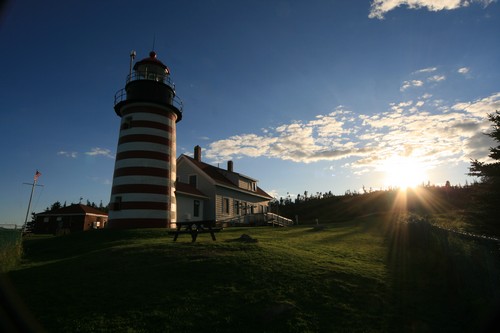
He Shines
Announcement:
Do you have a prayer request? Do you know someone who needs to be prayed for? Prayer works! The Bible confirms this in James 5:16 - The prayer of a righteous man is powerful and effective. Send your prayer request to us and let us pray in agreement with you! Matt 18:20 - For where two or three come together in my name, there am I with them. Hallelujah!


- This mailing list is a public mailing list - anyone may join or leave, at any time.
-
This mailing list is announce-only.
This newsletter is dedicated to bringing people closer to the Lord through thought-provoking inspirational stories. It is published every Monday, Wednesday, Friday and Sunday.
Privacy Policy:
Our Privacy policy
We will never share, sell, or rent your individual personal information and email address with anyone without your advance permission or unless ordered by a court of law.
How can you stop receiving our newsletters?
Each newsletter sent contains an easy, automated way for you to cease receiving our newsletter. If you wish to do this, simply follow the instructions at the end of any newsletter.
If you have received unwanted, unsolicited email sent via this system or purporting to be sent via this system, please forward a copy of that email with your comments to webmaster@answers2prayer.org for review.