Imagine going for a leisurely stroll after a week of heavy rain. The air
feels fresh, and nature rejoices all around, as testified by the myriad
of heavenly tunes emanating from the throats of hundreds of birds in
your neighbourhood.
Your precious bride is at your side, and she,
too, is excited with this turn of events. She begins sharing her deepest
desires, and getting caught up in the excitement of the moment, she
punctuates her speech with animated gestures. Suddenly her lovely
diamond ring, the same one that you gave her, flies off of her finger,
landing on a well-marinated pile of mud, where it quickly sinks out of
sight.
What would you do? Why, you wouldn't hesitate to reach
your hand down into that mud and retrieve it for her! You might keep
your eyes closed, but a little bit of mud won't stop you from helping
get back what is precious to her!
Why, then, is it, that we
hesitate to help the priceless children around the world who are
suffering from extreme poverty? After all, doesn't God urge us: "There
need be no poor people among you, for in the land the LORD your God is
giving you to possess as your inheritance, he will richly bless you,"
(Deuteronomy 15:4, NIV2)?
They are as helpless as that precious
ring that went flying into the pile of mud. How could any of us survive
with less than 37$ a month? Yet 1.4 billion face this reality month
after month, with no hope in sight. Some are so desperate that they make
mud patties in order to survive. Many live on the streets because they
can't afford rent. Imagine your own children wasting away in front of
your eyes! How can they receive the care they need when disease hits
them?
The St. James Anglican church in Ingersoll, Ontario, under
the leadership of Rev. Meghan Evetts, wanted to reach "down in the mud"
to rescue these precious jewels of God. It was brought to their
attention that Mozambique was one of the poorest countries in the world,
and they wanted to do something about this. They discovered that those
needing medical care often have to walk over dirt roads for more than 30
kilometers to reach their nearest medical facility. Many succumbed on
the way, or arrived even sicker than when they started out on their
trek.
Pregnant women faced nightmares in such circumstances.
Statistics say that as many as 490 of every 100,000 pregnant women died
in childbirth in Mozambique, as compared to 12 of every 100,000 births
in Canada. Could anything be done about this?
That little church
in Ingersoll joined in the endeavours that had been taken up by other
parishes, focusing on providing those who are sick or pregnant in
Mozambique with a means of transportation, something that could easily
be fixed if broken down. The idea they came up with was "bicycle
ambulances". At a cost of 600$ each, these bicycles would bring much
needed relief. More than 25,000$ has been raised so far for this cause,
and Canada's foreign aid agency, the CIDA, has provided another 75,000$.
About 70 Bicycle ambulances have been delivered so far, and another 50
are on their way.
Since the introduction of these special
ambulances, maternal mortality rates have dropped by 15% in Mozambique.
As a result, Bangladesh would now like to try these ambulances as well.
They have thought up a little "twist", however: wouldn't three wheels
make for sturdier vehicles than two? As a result, Tricycle ambulances
have now come into existence!
It all started in 2008 by funding
one bicycle ambulance. Just ONE BICYCLE AMBULANCE! Imagine what would
happen if we all helped the extreme poor! They are, after all, more
precious in the Lord's eyes than all the diamond rings in the world!
Rob Chaffart
Bicycle Ambulances to the Rescue. Worthy are the Unworthy, Part 3
Today's Bible Verse:
"Whoever is kind to the poor lends to the LORD, and he will reward
them for what they have done." (Proverbs 19:17)
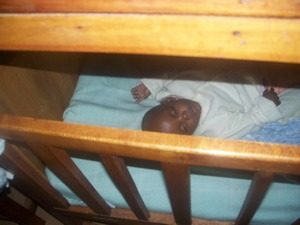
Bicycle Ambulances to the Rescue. Worthy are the Unworthy, Part 3
Announcement:
Do you know any facebook fans? Why not invite them to visit Answers2Prayer on Facebook! This is their opportunity to discover that our Heavenly Father truly cares for them, and that Jesus is not only their Saviour by their friend as well!
The Illustrator and the Nugget have joined forces and are now on Facebook under the name Answers2Prayer. This group is dedicated to bringing people closer to our loving God through daily thought-provoking devotionals and inspirational stories.
Invite them to join us.
As always, this is a free. Our goal is to help your friends and family make Jesus their focus!


- This mailing list is a public mailing list - anyone may join or leave, at any time.
-
This mailing list is announce-only.
This newsletter is dedicated to bringing people closer to the Lord through thought-provoking inspirational stories. It is published every Monday, Wednesday, Friday and Sunday.
Privacy Policy:
Our Privacy policy
We will never share, sell, or rent your individual personal information and email address with anyone without your advance permission or unless ordered by a court of law.
How can you stop receiving our newsletters?
Each newsletter sent contains an easy, automated way for you to cease receiving our newsletter. If you wish to do this, simply follow the instructions at the end of any newsletter.
If you have received unwanted, unsolicited email sent via this system or purporting to be sent via this system, please forward a copy of that email with your comments to webmaster@answers2prayer.org for review.